Watercolor Texture Sublimation: Soft Textures for Crafts
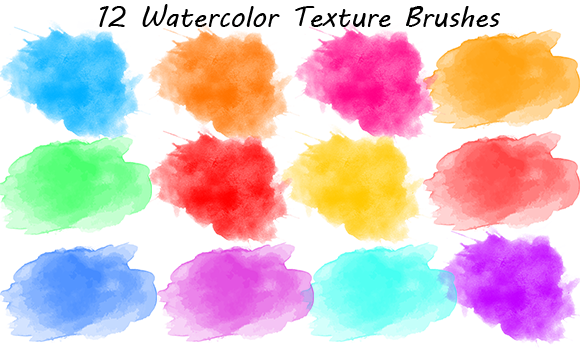
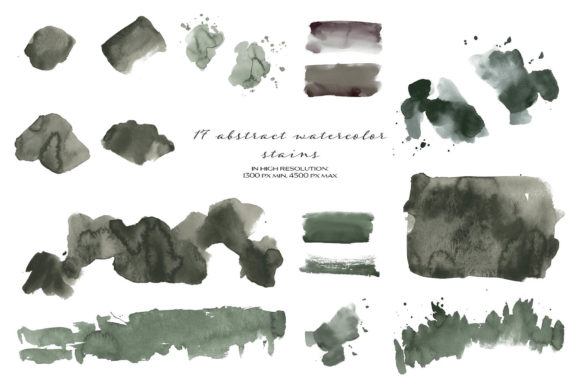
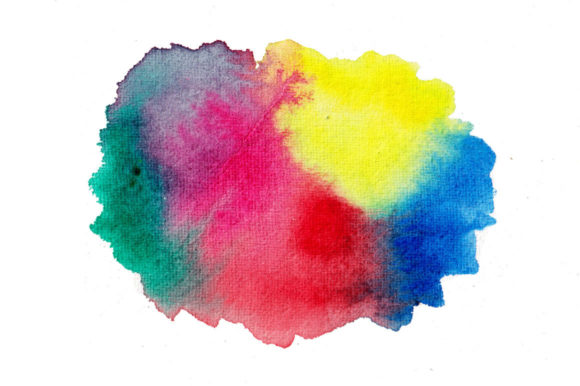
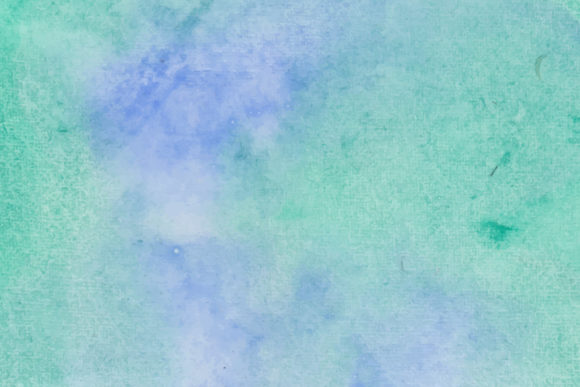
As someone who has spent the last decade running a handmade business, I know that the difference between a product that sells and one that sits on the shelf often comes down to the details. When I first opened the Watercolor Texture Sublimation file set, my immediate thought was about the mood it evokes. These aren't just random splashes of color; they are carefully curated Textures that feel organic, fluid, and deeply calming. The aesthetic leans heavily into the "soft girl" trend but maintains enough sophistication for high-end boutique items. If you are targeting customers who love boho chic, minimalist nurseries, or elegant wedding favors, this graphic design asset hits the mark perfectly.
In my shop, I am constantly looking for ways to elevate simple blanks into something that feels custom-made. This collection suggests a style that is both playful and premium. It attracts buyers who appreciate artistry over mass production. Whether you are an Etsy product seller preparing for the holiday rush or a creative entrepreneur launching a new line of planner accessories, understanding the vibe of your materials is step one. These designs scream "hand-painted," which adds a layer of perceived value to your final goods without requiring you to actually pick up a paintbrush.
Real-World Applications for Your Handmade Business
Let's talk about where this actually shines in a real crafting workflow. I recently used a similar style for a batch of custom mug design orders for a local bridal shower. The way the watercolor bleeds creates a beautiful background that doesn't overpower the monogram. For sublimation design specifically, these files are gold. Because sublimation relies on the ink becoming part of the substrate, the soft edges of watercolor translate beautifully onto polyester-coated tumblers and mugs. There is no harsh pixelation, just smooth gradients.
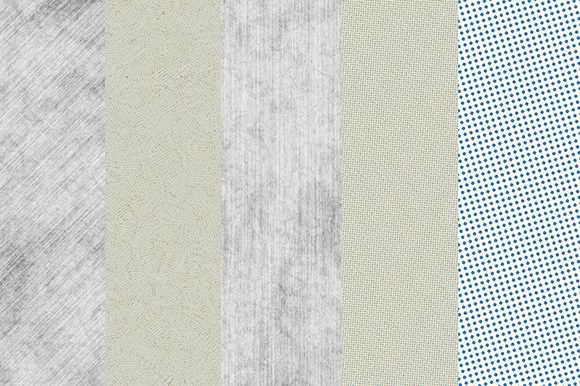
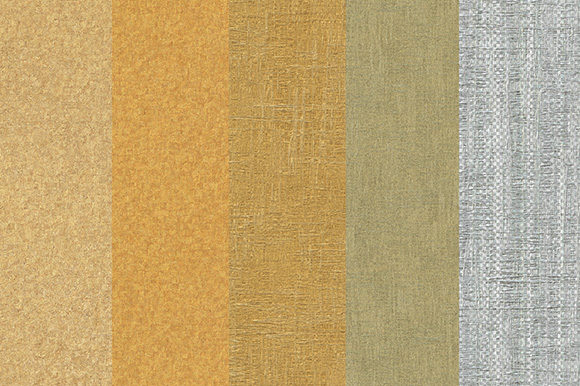
Beyond sublimation, these assets are incredibly versatile for Cricut project and Silhouette project workflows. If you are making sticker design sheets for planners, the PNG versions with transparent backgrounds allow you to layer these textures under text or other clipart elements. Imagine a t-shirt design where a vintage band logo sits atop a faded watercolor wash; it instantly gives the garment a worn-in, trendy look. I also see huge potential for tumbler wrap templates. The continuous nature of many texture files means you can tile them or stretch them to fit 20oz skinny tumblers without losing resolution.
For those of us who sell printable design files, this is a no-brainer. You can incorporate these into digital papers for scrapbooking, backgrounds for greeting cards, or even as decorative elements in printable wall art. The key here is versatility. A single graphic design asset like this can be repurposed across tote bags, gift tags, and party decorations. It allows you to create a cohesive design bundle for your customers, offering them a matching set of party favors or nursery decor.
Where These Textures Work Best
Not all designs are created equal, and knowing where to deploy them is crucial for maintaining quality. These Textures work exceptionally well when used as large cut files or full-coverage printable layouts. They are perfect for seasonal craft bundles where you need a unifying theme. For instance, a spring collection featuring pastel watercolor blooms on everything from product mockup images to actual handmade packaging creates a strong brand identity.
They are also ideal for personalized items where the customer's name or date needs to pop against a softer backdrop. In terms of small business branding, using these textures on your thank-you cards or social media graphics can make your shop feel more approachable and artistic. They excel in situations where you want to add depth without adding clutter. If you are working in the print-on-demand space, these designs reduce the risk of visible print lines because the irregular edges of watercolor hide minor printing imperfections better than solid geometric shapes.
Technical Considerations and Caution Zones
However, we need to be honest about the limitations. While beautiful, watercolor textures can be tricky if you aren't careful. You should use them cautiously when dealing with very small cutting details. If you attempt to cut intricate shapes out of vinyl using a highly detailed watercolor SVG, you might find that the tiny isolated islands of color are impossible to weed. Similarly, avoid using these in crowded compositions where thin lines are essential. If your design relies on crisp, clean readable shapes, a busy watercolor background might make the foreground text illegible.
Low-contrast colors are another pitfall. If you place a light yellow watercolor splash on a white t-shirt, it will vanish. Always test your colors before printing or cutting. For layered vinyl projects, remember that each color usually requires a separate pass or layer, so a multi-colored watercolor effect might need to be simplified into a two-tone version to be practical for heat transfer vinyl (HTV).
Practical Notes from the Craft Room
Before you list these as part of your next Etsy product lineup or take them to a craft fair, there are some housekeeping steps you must take. First, always test the file. Download the SVG design and open it in your cutting software to ensure the lines are clean and grouped logically. Preview the PNG design at 100% zoom to check for any unwanted artifacts or pixelation around the edges.
Resolution is king in sublimation. Confirm that the files are at least 300 DPI to ensure your tumbler wrap or mug print doesn't look blurry. Color accuracy is also vital; what you see on your screen might not match the sublimation ink output, so run a test print on scrap paper. Check how the design looks on both white and dark products. Some watercolor textures are designed with transparency in mind, while others have a white box behind them that you'll need to remove.
When pairing these with typography, think about the mood. A delicate script font or handwritten font complements the organic flow of watercolor. However, if you need high readability, a clean sans serif font provides a nice contrast. Avoid overly ornate display fonts that might compete with the texture. Finally, and perhaps most importantly, confirm the commercial licensing. Ensure your commercial license allows you to use these design assets on physical goods for sale. Most reputable creators on the creative marketplace allow this, but always read the fine print to protect your handmade business.
Ultimately, Watercolor Texture Sublimation is more than just a pretty picture; it is a tool for storytelling. It allows you to infuse emotion into your products, turning a standard blank into a piece of art. By understanding its strengths and respecting its technical requirements, you can leverage these Textures to build a more compelling, cohesive, and profitable product line.