Abstract Watercolor Stains: Premium Textures for Sellers
As a digital product creator who has spent years navigating the shifting tides of online marketplaces, I approach every new graphic design asset with a critical eye. It is not enough for a file to look pretty on a screen; it must solve a problem for a buyer or elevate a finished product enough to justify a purchase. Recently, I evaluated a collection titled Abstract Watercolor Stains to determine its viability for my upcoming seasonal launch on Etsy and Creative Fabrica. My goal was to see if these Textures could serve as the foundation for a cohesive line of digital downloads and physical merchandise.
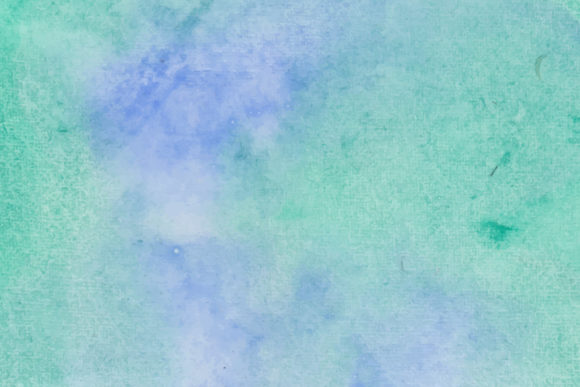
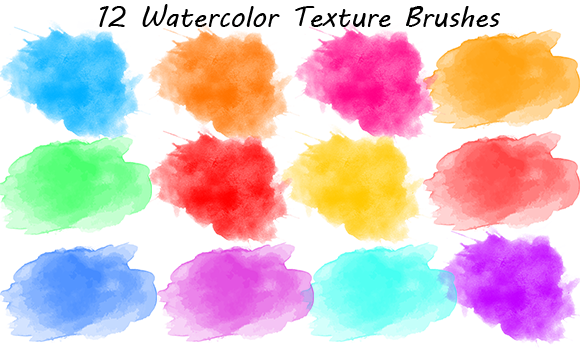
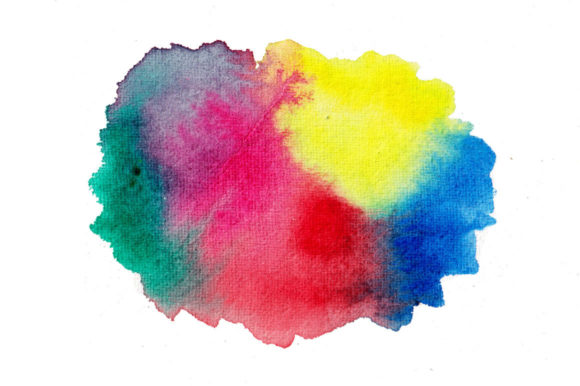
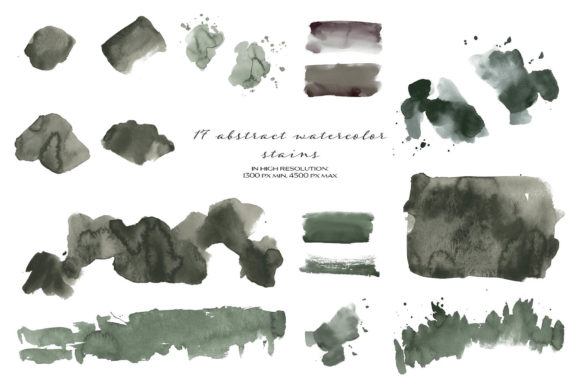
Upon first inspection, the mood of this collection is distinctly organic and fluid. Unlike rigid geometric patterns or flat vector shapes, these stains possess a handmade quality that feels both modern and rustic. The visual personality leans towards the elegant yet playful, making it a versatile choice for diverse niches. For sellers targeting the wedding industry, the soft bleed effects offer a romantic backdrop for invitation templates. Conversely, the bolder, saturated variations in the set could easily anchor a line of nursery prints or trendy apparel. This duality is crucial for a small business branding strategy, as it allows a single asset pack to service multiple customer avatars without feeling disjointed.
Transforming Assets into Sellable Products
The true test of any commercial design resource is its application across various product types. In my workflow, I immediately began mapping out how these watercolor elements could be converted into revenue-generating items. The potential here is vast. For those utilizing cutting machines, these files can be traced to create unique SVG design options for Cricut projects, such as layered paper flowers or intricate sticker design sheets. However, the real strength lies in their raster capabilities.
I envision using these stains as the primary layer for sublimation design files. When applied to mugs, tote bags, or tumbler wraps, the watercolor effect mimics high-end hand-painting, which significantly increases the perceived value of the final print-on-demand item. For the Canva template market, these elements are gold. Users are constantly seeking ways to break up white space in their social media posts and blog graphics. By incorporating these stains as background overlays or decorative corners, template sellers can offer a more polished, professional aesthetic to their customers.
Furthermore, the collection works exceptionally well for printable design products. Imagine a bundle of planner stickers where the watercolor stain serves as the base for motivational quotes, or a set of greeting cards where the texture provides depth without overwhelming the message. The key is to treat the asset not just as an image, but as a building block for a larger design bundle. Whether creating t-shirt design mockups or mug design previews, the organic nature of the stains adds a human touch that algorithms and AI generators often struggle to replicate authentically.
Elevating Product Presentation and Trust
In the crowded landscape of the creative marketplace, visual hierarchy is everything. A listing image must stop the scroll. I found that Abstract Watercolor Stains excels when used to enhance product mockup photography. Instead of placing a plain logo on a blank shirt, overlaying a subtle watercolor wash behind the text creates immediate visual interest. This technique improves thumbnail appeal and can drastically increase click-through rates.
Consistency is another factor. By using these specific textures across a whole collection—say, a series of wedding stationery or a brand identity kit—you create a recognizable visual language. This fosters customer trust. When a buyer sees a cohesive look across your Etsy product listings, they perceive your shop as more established and reliable. The stains act as a unifying thread, tying together disparate items like business cards, packaging designs, and social media graphics into a singular, compelling brand story.
Strategic Placement and Limitations
While versatile, this asset is not a one-size-fits-all solution. There are specific scenarios where caution is required. For instance, if you are designing tiny details for a complex layout, the soft edges of the watercolor might get lost or appear muddy when printed at a small scale. Similarly, these stains should be used carefully on dark backgrounds unless the file includes light-colored variations; otherwise, you risk poor contrast that renders the design invisible.
For users relying on cutting machines like Silhouette or Cricut, remember that watercolor textures are inherently raster-based. If your project requires clean, sharp cutting lines for vinyl decals, you will need to spend time tracing and simplifying the paths, or the machine may struggle with the nuanced gradients. Additionally, avoid using these heavy textures in text-heavy templates where readability is paramount. The background should support the content, not compete with it.
Practical Notes for the Digital Seller
Before listing any product created with these assets, rigorous testing is non-negotiable. I always test the design on real mockups to ensure the resolution holds up. A PNG design might look crisp on a monitor but pixelated on a large wall print. Verify the DPI; for commercial printing, you generally need 300 DPI. Check the transparency of the PNG files to ensure there are no unwanted white halos around the edges, which can ruin the seamless look on colored merchandise.
Typography pairing is also critical. These organic stains pair beautifully with a mix of font styles. A delicate script font enhances the feminine, handmade vibe, while a bold sans serif font creates a striking modern contrast. Experiment with handwritten and display fonts to find the right balance for your specific niche. Finally, always double-check the commercial license. Ensure that the terms allow for use in commercial design products where the end customer receives a finished good, rather than just a personal use item.
In conclusion, Abstract Watercolor Stains represents a solid investment for creators looking to expand their catalog with high-quality, emotive visuals. When used strategically, it bridges the gap between digital convenience and artistic authenticity. By understanding its strengths in visual storytelling and respecting its limitations in technical applications, sellers can leverage this asset to build a more professional, attractive, and profitable online product collection.