Panda Sunflower Watercolor Clipart: A Designer's Review
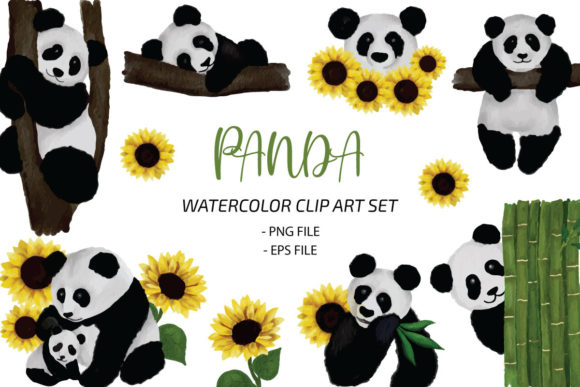
As a designer who spends more time staring at stitch simulations than I do sleeping, I approach every new machine embroidery design with a healthy dose of skepticism. We have all been there: you download a cute graphic, load it into your software, and realize halfway through digitizing that the details are impossible to stitch or the flow is all wrong. That is why I took a close look at the Panda Sunflower Watercolor Clipart PNG not just as a digital image, but as a potential foundation for real-world embroidery projects. This isn't about whether it looks good on a screen; it is about whether it holds up under the needle on a textured sweatshirt or a delicate baby onesie.
The First Impression: Mood and Layout
When I first opened the file, the immediate vibe was warmth and whimsy. The combination of a panda—a creature inherently associated with softness—and a sunflower creates a narrative of gentle happiness. From a layout perspective, the watercolor style suggests soft edges and blended tones, which is fantastic for visual appeal but presents a specific challenge for embroidery. In a digital embroidery file, we cannot truly replicate the bleed of watercolor without clever stitch planning. However, as a source image for creating a custom applique design or for guiding a mixed-media stitch approach, this clipart shines. The composition feels balanced, with the sunflower likely acting as a frame or a crown for the panda, offering a natural focal point that draws the eye immediately.
For those of us running a craft business or selling on Etsy, "cute" is a saturated market. What sets this apart is the specific artistic texture. It doesn't feel like a generic vector; it has personality. If you are looking to create a personalized gift that stands out from the sea of standard block-letter monograms, this theme offers a fresh direction. It speaks to nursery decor, spring collections, and boutique branding that values handcrafted aesthetics over mass-produced perfection.
Real-World Application: The Tote Bag Test
To truly evaluate this asset, I imagined a specific scenario: a custom order for a local botanical shop needing branded tote bag designs. They wanted something that felt organic and friendly. Using the Panda Sunflower Watercolor Clipart PNG as a reference, I can visualize how this would translate onto a canvas tote. The key here is adaptation. You wouldn't necessarily stitch every watercolor gradient. Instead, you might use the image to create a template for a fabric appliqué, using the clipart to cut your shapes, and then outlining with a neat satin stitch or a decorative running stitch.
If you are digitizing this yourself to create a full fill stitch design, the watercolor aspect requires careful management of stitch density. Too dense, and the fabric will pucker, especially on a tote bag which needs to remain flexible. Too light, and you lose the charm of the panda's features. For a project like this, I would recommend using the clipart to guide color placement, perhaps using variegated threads to mimic that painted look without over-complicating the stitch count. The result would be a finished product that looks high-end and intentional, rather than like a cheap transfer.
Versatility Across Products
Beyond tote bags, this design has legs for various applications. Imagine this on a sweatshirt embroidery project for a fall collection. The warm tones of the sunflower pair beautifully with heather grey or oatmeal-colored fleece. For baby embroidery, the soft subject matter is perfect for bibs or blanket corners, provided the stitching is kept soft against sensitive skin. It also works wonderfully for holiday embroidery; swap the background context, and suddenly you have a charming motif for spring Easter baskets or teacher appreciation gifts.
For Etsy sellers and small shop product creators, this image serves as an excellent basis for printable mockups before you even commit to stitching. You can place the PNG on photos of pillows, aprons, or caps to gauge customer reaction. If you are selling design assets themselves, ensuring the license allows for commercial redistribution of the digitized version is crucial. Always check the specific terms attached to the Print Templates or clipart files you purchase.
Technical Considerations and Fabric Challenges
While the aesthetic is lovely, we must talk about the technical hurdles. Watercolor styles often rely on subtle shifts in tone that are hard to achieve with thread. If you attempt to stitch this directly onto dark fabric, you may lose the definition of the panda unless you use a heavy underlay or a white appliqué base. On stretchy fabrics like jersey knits, the hoop size and stabilizer choice become critical. A design with varied densities can cause shifting if the stabilizer isn't robust enough.
Curved surfaces, such as caps, present another challenge. The detailed areas of the sunflower petals or the panda's eyes might distort if the design is too wide or complex for the front panel of a hat. In these cases, simplifying the design based on the clipart reference is wise. Also, consider the thread colors. Matching the watercolor hues exactly is nearly impossible, so aim for the "feeling" of the colors rather than a pixel-perfect match. A slightly rustic thread palette might actually enhance the handmade vibe.
Designer Notes for Success
Before committing this design to a client's garment, follow these practical steps:
- Test on Scrap Fabric: Always stitch a sample on the exact same material you plan to use for the final product. This reveals issues with puckering or registration.
- Check Contrast: View your digitized version in black and white. If the details disappear, you need to adjust your stitch types or spacing.
- Review Stitch Density: Ensure the design isn't too heavy for lightweight fabrics like linen tea towels or baby clothes.
- Confirm Hoop Size: Make sure the design fits your available hoops without requiring excessive re-hooping, which can lead to misalignment.
- Inspect Small Details: Tiny elements in the watercolor wash might need to be enlarged or removed entirely to stitch cleanly.
- Verify Licensing: If you intend to sell the commercial embroidery items or the digitized file itself, confirm that the original clipart license permits this use.
In conclusion, the Panda Sunflower Watercolor Clipart PNG is a versatile and charming asset that, when handled with technical care, can elevate a range of handmade products. It bridges the gap between digital art and tactile craft, offering a unique visual language for those willing to put in the digitizing work. Whether you are creating a one-off personalized gift or building a inventory of boutique goods, this design offers a solid foundation for creativity. Just remember: the magic happens not in the download, but in how you translate those watercolor dreams into durable, beautiful stitches.