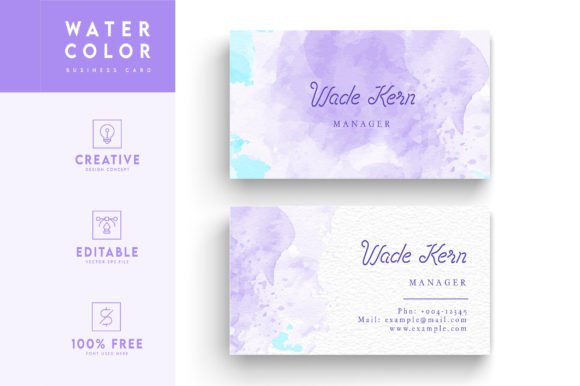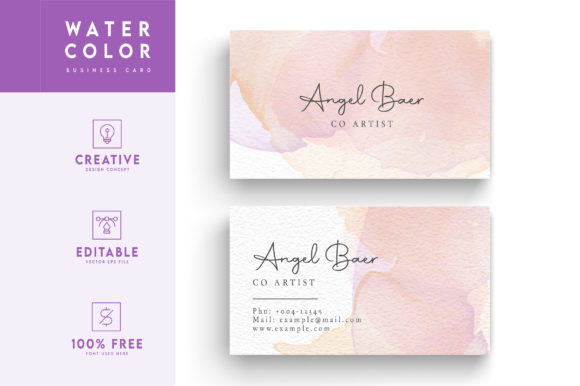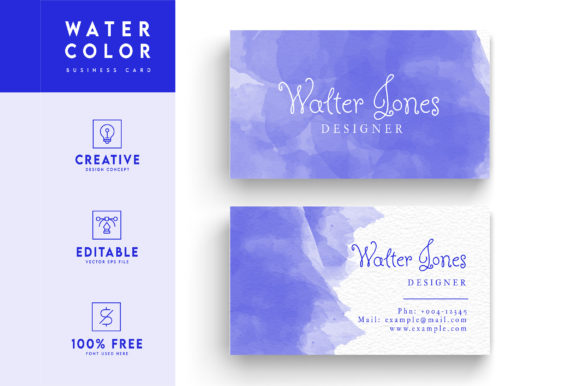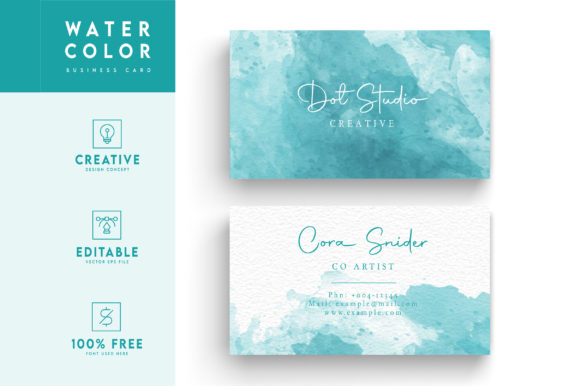
Abstract Background with Business Card: A Designer's Review
When I first pulled up the Abstract Background with Business Card file on my screen, my immediate reaction was one of cautious optimism. As someone who spends hours digitizing and stitching for clients, I know that a design looking crisp on a monitor is only half the battle. The real test is how it translates into thread, how it sits on fabric, and whether it adds genuine value to a finished product. This isn't just a graphic; it's a potential asset for a craft business or a boutique branding project, so I approached it with the scrutiny of a professional preparing for a high-stakes order.
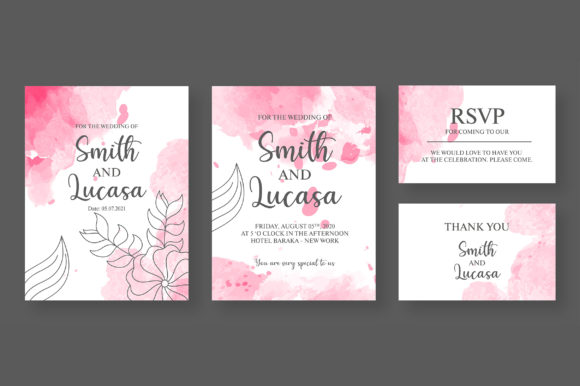
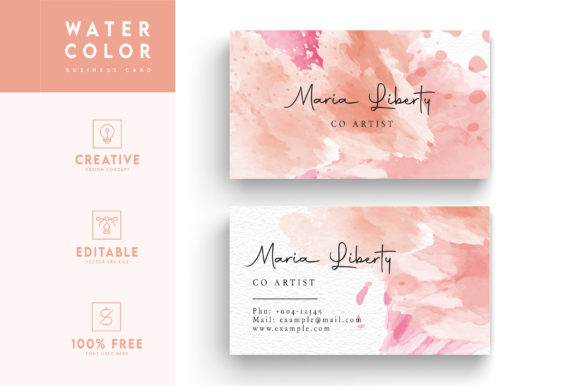
The visual personality of this design strikes a modern, professional chord. It balances the organic flow of an abstract background with the structured necessity of a business card layout. For embroidery designers and Etsy sellers, this duality is gold. It suggests a mood of creativity meeting commerce, making it an ideal candidate for custom apparel aimed at entrepreneurs, creative agencies, or even personalized gifts for recent graduates starting their own ventures. The layout feels intentional, avoiding the clutter that often plagues complex digital files when they are converted into a machine embroidery design.
Real-World Application: The Boutique Tote Scenario
To truly evaluate this piece, I imagined a specific real-life scenario: a local co-working space ordering fifty branded tote bag designs for a new member welcome kit. In this context, the Abstract Background with Business Card shines. Placed on a heavy canvas tote, the abstract elements provide texture and depth without overwhelming the central "card" area, which could be customized with the recipient's name or the co-op's logo.
If I were stitching this for a client, I would likely position it on the front panel of the bag. The abstract portions would work beautifully as a fill stitch area, creating a soft, tactile backdrop. The business card section, however, would need careful handling. In a real production run, clarity is king. If the text or contact details within the card area are too small, they will vanish under the thread. This design demands that the user considers the stitch density carefully. Too dense, and the fabric puckers; too light, and the backing shows through, ruining the professional look required for commercial embroidery projects.
For small shop products, this versatility is key. It could easily transition from a tote bag to a sweatshirt embroidery project for a team uniform. On a fleece sweatshirt, the abstract background adds a premium feel, elevating a standard garment into something that looks like it came from a high-end streetwear brand rather than a bulk printer. The visual appeal here directly impacts customer trust; a clean, well-executed stitch job tells the buyer that the maker cares about quality.
Navigating Fabric Challenges and Technical Constraints
While the design has strong potential, there are areas where a designer must proceed with caution. The interplay between the abstract shapes and the rigid card outline means that fabric texture plays a massive role. On smooth, tightly woven cotton or linen, the lines will remain sharp. However, if you attempt this on a textured towel or a stretchy knit without proper preparation, the definition of the business card edges could blur.
I would strongly advise against using this on very thin or sheer fabrics unless you are experienced with layering stabilizer. The density required to make the abstract background pop might cause the fabric to gather or distort, especially around the corners of the card shape. Curved surfaces, like caps or hats, present another challenge. The flat geometry of a business card does not naturally conform to the curve of a cap front panel. If you must use it there, you would need to significantly adjust the size and perhaps simplify the abstract elements to prevent distortion during the hoop-up process.
Furthermore, consider the thread colors. This design likely relies on contrast to define the separation between the background and the card. If you are stitching on a dark fabric, you cannot simply rely on the default color chart. You may need to add a underlay or a border of satin stitch to ensure the light-colored elements of the card stand out against the dark garment. Testing in black and white mockups before cutting a single thread is a non-negotiable step for me. It helps visualize the value range and ensures that the design doesn't turn into a muddy mess when the color is removed from the equation.
Enhancing Brand Consistency and Product Value
From a branding perspective, the Abstract Background with Business Card offers a unique opportunity for handmade product sellers to differentiate themselves. In a market saturated with generic fonts and clipart, offering a stitched version of a business identity feels personal and tangible. It increases the giftability of the item. Imagine a realtor giving this embroidered design on a pillow cover or a kitchen towel to a client upon closing a house. It serves as a constant, useful reminder of their service, far more effective than a paper flyer.
For digital embroidery file sellers, this design fits well into collections focused on professional development or office decor. However, the value lies in the execution. A poorly stitched version of this design could look amateurish, damaging the reputation of the seller. Conversely, a version executed with precise tension management and high-quality thread becomes a conversation starter. It signals professionalism and attention to detail, traits that every creative entrepreneur wants to project.
Practical Notes for the Studio
Before committing this design to a final product, here are my top recommendations for fellow makers:
- Scrap Test First: Always stitch a sample on the exact same fabric and stabilizer combination you plan to use for the final run. Watch how the needle penetrates the abstract areas versus the card borders.
- Check Licensing: Since this falls under Print Templates or similar digital assets, confirm the license terms. Can you sell the finished physical item? Can you resell the embroidery file itself? Never assume; always verify to protect your craft business.
- Simplify if Necessary: If the abstract background is too detailed for your machine or fabric, don't be afraid to edit the file. Reducing the number of color changes or simplifying the fill patterns can save time and improve durability.
- Consider the Hoop Size: Ensure your hoop is large enough to capture the full scope of the abstract background without cropping essential elements. A cramped design loses its impact.
- Washability: If this is for holiday embroidery gifts or items meant for frequent use, like aprons or baby clothes, ensure the stitch density allows for washing without the threads breaking or the fabric puckering permanently.
In conclusion, the Abstract Background with Business Card is a versatile and promising asset for the right project. It bridges the gap between artistic expression and functional branding. While it requires a thoughtful approach to fabric selection and stitch management, the payoff is a finished product that feels bespoke and valuable. Whether you are decorating a baby item with a whimsical twist or creating corporate merchandise, this design holds the potential to elevate your work, provided you respect the technical limitations of the medium. As with any applique design or complex fill work, the difference between good and great lies in the preparation and the eye of the maker.