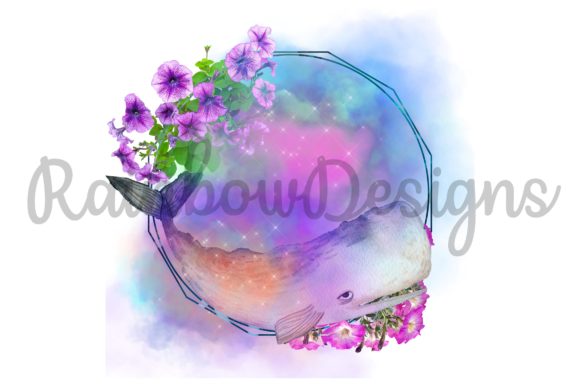
Whale Flower Frame: Print Templates for Local Brands
As a brand designer who has spent the last decade helping local businesses find their visual voice, I approach every new graphic design asset with a critical eye. It is not enough for an illustration to be pretty; it must serve a strategic purpose within a broader brand identity. When I first opened the files for the Whale Flower Frame, my immediate impression was one of whimsical serenity mixed with organic elegance. This is not a generic border; it is a storytelling device that suggests a brand personality rooted in nature, calmness, and handcrafted quality. For small business branding projects, particularly those in the boutique, wellness, or artisanal food sectors, this asset offers a unique opportunity to create a memorable first impression.
Setting the Mood for Artisanal and Coastal Brands
The specific combination of marine life and floral elements creates a mood that is both playful and sophisticated. It feels handmade yet polished, making it an ideal fit for a local business that wants to communicate authenticity. Imagine a coastal skincare line launching a new sea-salt scrub or a boutique bakery introducing a summer lemon-lavender collection. The Whale Flower Frame instantly establishes a narrative of natural ingredients and gentle care. It avoids the sterility of corporate minimalism while steering clear of the clutter often found in rustic designs. Instead, it strikes a balance that feels premium and inviting, perfect for building customer trust before a product is even touched.
In terms of visual hierarchy, this frame acts as a powerful anchor. When placed around a logo or a key product image, it draws the eye inward, ensuring the focal point remains clear. This is crucial for packaging design where shelf appeal can make or break a sale. By using this frame, a brand can achieve a level of professional branding that usually requires custom illustration, saving both time and budget for independent creators and handmade businesses.
Practical Applications in Product Packaging and Labels
The versatility of this asset shines when applied to tangible touchpoints. In a recent conceptual project for a candle brand, I visualized the Whale Flower Frame as the primary element on a circular product label. The curve of the whale's tail mirrored the roundness of the jar, while the flowers softened the edges, creating a cohesive look that felt intentional rather than decorative. Beyond labels, this graphic works exceptionally well on hang tags, thank-you cards, and sticker seals. These small details contribute significantly to the unboxing experience, turning a simple transaction into a moment of delight.
For food businesses, such as a local jam maker or a specialty coffee roaster, the frame can be used to highlight flavor profiles or seasonal limited editions. Because it functions effectively as a printable design, it can be easily integrated into existing workflows. Whether you are designing a menu graphic, a price list, or a promotional flyer, the frame adds a layer of depth that flat text lacks. It transforms standard marketing visuals into branded assets that reinforce recognition across different mediums.
Elevating Social Media and Digital Presence
In the digital realm, consistency is key. The Whale Flower Frame translates beautifully to social media graphics and website banners. Using it as a border for Instagram posts or Facebook ads creates a recognizable template that followers will begin to associate with the brand. This consistency strengthens brand identity and improves recall. Furthermore, for web design projects, the asset can serve as a hero graphic or a decorative divider, adding character to landing pages without overwhelming the content. When used in product mockups for online stores, it provides context and lifestyle appeal, helping customers visualize the product in a real-world setting.
Strategic Considerations for Effective Implementation
While the Whale Flower Frame is a robust tool, it requires thoughtful application to maximize its impact. It works best when given space to breathe. Crowding the frame with too much text or placing it against busy backgrounds can diminish its effectiveness. It is particularly suited for:
- Product labels where the brand name needs to stand out.
- Packaging accents on boxes or bags to add a touch of luxury.
- Hero graphics on websites and landing pages.
- Seasonal packaging for spring or summer campaigns.
- Boutique visuals for fashion or home decor items.
However, there are scenarios where caution is advised. This asset may not be suitable for formal corporate branding where strict minimalism is required. It should also be avoided on very small labels where the intricate details of the flowers and whale might lose resolution or become muddy. Additionally, designers should be careful not to let the decoration compete with essential legal information or ingredient lists. In editorial design or layouts heavy with text, the frame should be used sparingly as an accent rather than a dominant feature.
Designer Notes: Testing and Technical Execution
Before finalizing any client work, I always run a series of practical tests. First, test the Whale Flower Frame on real product mockups to see how it interacts with physical textures like kraft paper, glass, or matte plastic. Check its usage in black and white to ensure it retains its form without color reliance, which is vital for cost-effective printing. Preview the design on small labels to confirm legibility.
Color testing is equally important. Experiment with the frame alongside your specific brand colors to ensure harmony. Compare the final look with competitor packaging to ensure your brand stands out rather than blends in. If the asset is available in vector formats like SVG, inspect the editability to customize line weights or separate elements if needed. For raster formats like PNG, verify the transparency and resolution to avoid pixelation.
Typography pairing is another critical factor. This frame pairs beautifully with serif fonts for a classic look, sans serif fonts for modernity, and script or handwritten fonts to enhance the handmade feel. Avoid overly complex display fonts that might clash with the detailed illustration. Finally, always confirm the commercial license terms. Ensure you have the rights to use the asset for client work, commercial design, and physical product sales. Understanding the licensing of design assets from a creative marketplace is non-negotiable for professional integrity.
Ultimately, the Whale Flower Frame is more than just a decorative element; it is a strategic component of small business branding. When used with intention, it elevates packaging design, enhances product presentation, and fosters a deeper emotional connection with customers. For local brands looking to distinguish themselves in a crowded market, this type of thoughtful, high-quality illustration provides the polish and personality needed to succeed.