Review: Colourful Watercolour Texture Background for Embroidery
As a designer who spends more time staring at stitch simulations than I do sleeping, I approach every new machine embroidery design with a mix of excitement and skepticism. We've all been there: you download a stunning digital embroidery file, only to find out it turns into a puckered mess on actual fabric. That is why I took a close look at the Colourful Watercolour Texture Background before committing it to any client work or craft business inventory. This isn't just about whether it looks good on a screen; it is about how it performs as a finished product in the hands of a customer.
First Impressions and Visual Personality
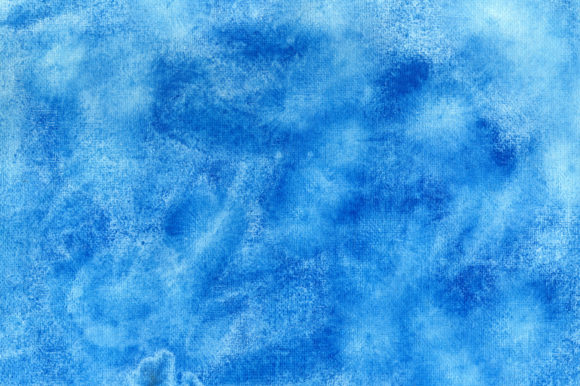
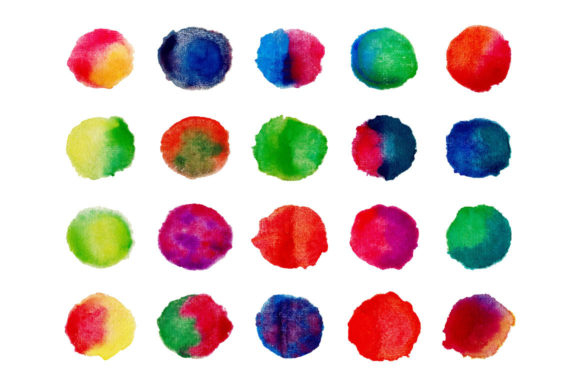
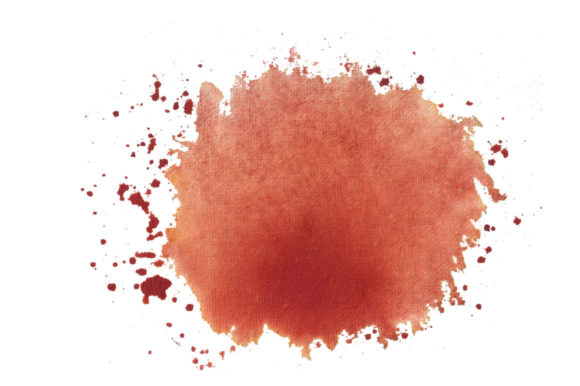
The moment I loaded the Colourful Watercolour Texture Background into my editing software, the mood was immediately apparent. Unlike rigid geometric patterns or heavy traditional fills, this design captures that soft, fluid aesthetic of wet-on-wet painting. The layout feels organic, with blended hues that suggest depth without relying on overly dense stitching. For an Etsy seller or boutique owner, this visual personality is gold. It screams "handmade" and "artisanal," which adds immediate perceived value to a handmade product.
The detail level is sophisticated. It avoids the trap of looking like a solid block of thread, instead using varied stitch density to mimic the transparency of watercolour pigments. This makes it incredibly versatile. It doesn't dominate a project; it enhances it. Whether you are aiming for a whimsical vibe or a modern, artistic touch, this background sets the stage perfectly without stealing the show from foreground elements like monograms or logos.
Real-World Application: The Tote Bag Test
To truly gauge its potential, I envisioned a specific real-life scenario: creating a line of custom tote bags for a local farmer's market vendor. The goal was to create a tote bag design that felt fresh and seasonal. I imagined placing the Colourful Watercolour Texture Background across the lower third of a natural canvas bag, perhaps overlaid with a simple script font or a botanical line drawing.
In this context, the design shines. Canvas has enough tooth to hold the stitches well, and the colorful texture provides a vibrant base that makes white or dark thread pop. If I were selling this as a small shop product, the customer reaction would likely be positive because it looks expensive but remains playful. It transforms a basic utility item into a piece of wearable art. Similarly, for sweatshirt embroidery, this background could serve as a yoke detail or a sleeve accent, adding a splash of color to neutral garments without overwhelming the wearer.
Ideal Projects for This Design
Based on its characteristics, here is where this embroidery file truly belongs:
- Nursery Decor: Perfect for pillow covers or wall hangings where soft colors are essential.
- Holiday Embroidery: Use it as a festive backdrop for kitchen towels or aprons during spring and summer seasons.
- Baby Embroidery: The gentle aesthetic suits onesies and bibs, provided the fabric can support the stitch count.
- Commercial Embroidery: Excellent for branding patches where a unique texture distinguishes a company logo.
- Printable Mockups: Even if not stitched immediately, it serves as a fantastic element for digital product previews and design assets.
Technical Considerations and Fabric Challenges
While the aesthetic is undeniable, we must talk about the mechanics. A background design of this nature requires careful handling regarding fabric texture and stability. Because watercolour effects often rely on subtle shifts in thread placement, using this on highly textured fabrics like thick terry cloth or loose-weave linens might obscure the finer details. The running stitch or light fill stitch areas could get lost in the fabric's own grain.
Furthermore, stretchy fabrics present a risk. If you attempt this on a thin jersey t-shirt without adequate stabilization, the shifting during stitching could distort the blended colors, ruining the watercolour illusion. For curved surfaces like caps, I would proceed with caution. The curvature might compress the design, making the colors appear muddied rather than distinct. It is best suited for flat hoops where the tension can be kept perfectly even.
Dark fabric is another consideration. Since this is a texture background, its opacity matters. If the design relies on lighter thread colors to achieve the watercolour look, it may require an underlay or a white base layer when stitched on navy or black garments. Always check the thread colors suggested in the file notes and compare them against your intended fabric swatch.
Designer Notes for Best Results
Before you commit to a production run or list a new item in your shop, follow these practical steps:
- Test on Scrap Fabric: Never skip this. Stitch the design on the exact material you plan to use for the final product to check for puckering.
- Check Stabilizer Requirements: A design with varied density often needs a cut-away stabilizer for long-term durability, especially on apparel that will be washed frequently.
- Review Hoop Size: Ensure your machine's hoop capacity matches the design dimensions. Do not try to force a large background into a small hoop by resizing it too drastically, as this alters the stitch density and can cause thread breaks.
- Inspect Small Details: Zoom in on the simulation. Look for tiny jumps or trims that might need manual editing to ensure a clean finished product.
- Verify Licensing: If you are an Etsy seller or offering custom apparel services, confirm the license terms. Ensure you are allowed to sell physical items made with this design and that it fits your commercial needs.
Impact on Brand and Customer Trust
Ultimately, the choice of design affects your brand consistency. Using a high-quality, thoughtful background like the Colourful Watercolour Texture Background signals to your customers that you care about presentation. It elevates a simple personalized gift into something memorable. In a market saturated with generic designs, offering products with unique textural depth builds recognition and trust.
However, professionalism comes from execution. A beautiful design ruined by poor stabilizer choice or bad fabric pairing reflects poorly on the maker. By understanding the nuances of this Backgrounds category asset, you can ensure that every embroidery project you release meets a high standard. Whether you are creating a one-off holiday gift or scaling up a line of embroidered patch collections, this design offers the flexibility and charm needed to succeed, provided it is treated with the technical respect it deserves.
In conclusion, the Colourful Watercolour Texture Background is a strong contender for designers looking to add artistic flair to their repertoire. It bridges the gap between digital art and tactile craft beautifully. Just remember to respect the fabric, mind the stabilizer, and always test before you sell. Your reputation as a skilled creator depends on those small, unseen details.