Review: Cherry Blossom with Sakura Branch Vector for Embroidery
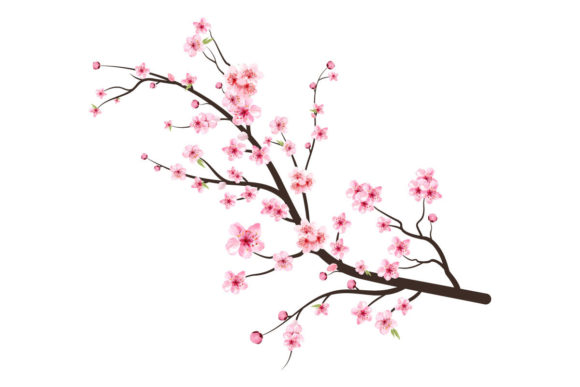
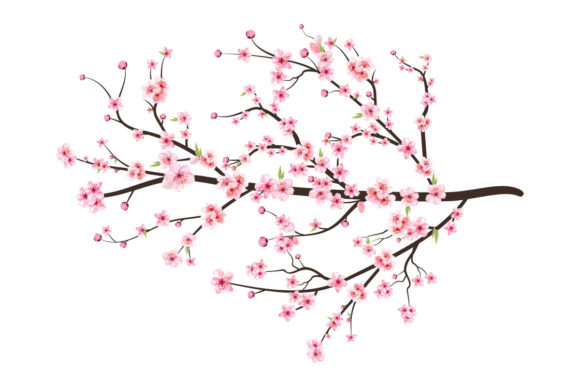
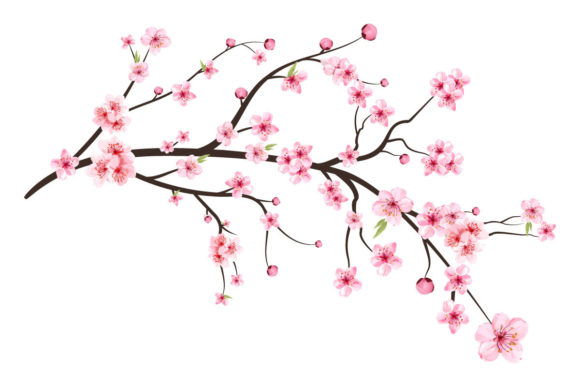
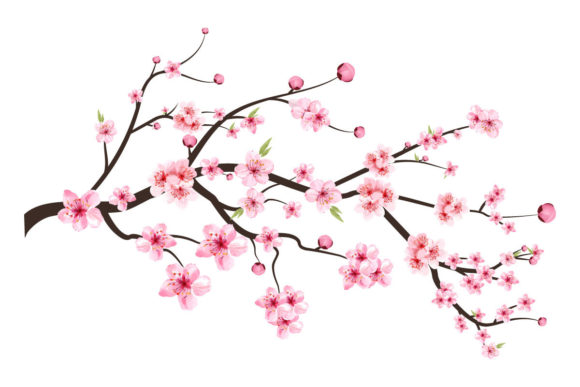
When I first pulled up the Cherry Blossom with Sakura Branch Vector on my screen, I wasn't just looking at a digital asset; I was immediately visualizing the finished stitch-out. As someone who spends hours hooping fabric and trimming jump stitches, my first impression of any design is rarely about the vector lines themselves, but rather how those lines will translate into thread. This specific graphic template carries a delicate, airy mood that screams spring renewal, but the real test is whether it holds up under the needle of a commercial embroidery machine.
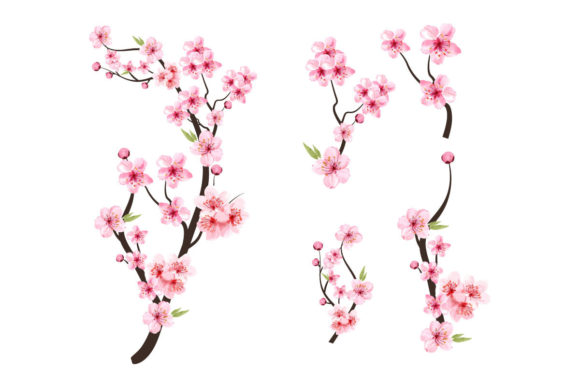
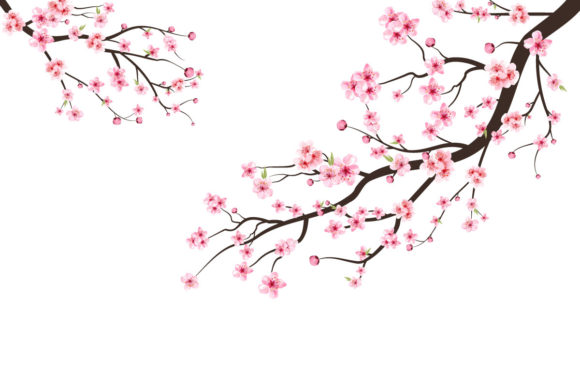
The layout feels organic, avoiding the rigid symmetry that often plagues stock floral designs. The branch curves with a natural weight, suggesting where the satin stitch should flow to mimic the texture of bark, while the blossoms offer a perfect opportunity for varied fill stitches. For an embroidery project intended for a boutique clothing line or a high-end personalized gift, this level of visual personality is crucial. It doesn't look like a generic clip-art dump; it looks like something designed with the final product in mind.
Real-World Application: The Spring Collection Tote
To truly evaluate this design, I imagined a specific real-life scenario: preparing a custom run of canvas tote bags for a local farmer's market vendor who specializes in organic goods. The goal was to create a small shop product that felt handmade yet professional. The Cherry Blossom with Sakura Branch Vector seemed ideal for this. Its horizontal orientation fits perfectly across the lower third of a tote bag, leaving room for a business logo above or below without crowding.
In this context, the design's clarity is paramount. When stitched onto a natural cotton canvas, the contrast between the thread colors and the fabric texture becomes the main event. If the vector details are too fine, they risk getting lost in the weave of the canvas. However, assuming the digitization respects the scale, the sakura blooms should pop with vibrant pinks and whites against the neutral background. This isn't just about aesthetics; it's about brand consistency. A crisp, well-executed embroidery file tells the customer that the maker cares about quality, directly influencing buyer engagement and trust.
Navigating Fabric Challenges and Stitch Density
While the design shines on stable fabrics like canvas or denim, caution is required when moving to trickier materials. If you plan to use this for sweatshirt embroidery on a fuzzy fleece, you must consider the stitch density. Dense areas, particularly in the center of the flowers or the main branch, can cause the fabric to pucker if the stabilizer isn't robust enough. For stretchy knits used in custom apparel like t-shirts, a running stitch outline might be safer than a heavy satin border to maintain flexibility.
Dark fabrics present another consideration. The original vector likely assumes a light background. If stitching this onto a navy blue hoodie for a holiday gift or a black cap, you may need to adjust the thread colors or add a backing layer to prevent the dark fabric from showing through the lighter pink petals. This is where the versatility of the source file matters. Since this is categorized under Graphic Templates, you have the advantage of editing the colors before sending it to your digitizer or embroidery software, ensuring the contrast remains sharp regardless of the garment color.
Curved surfaces, such as caps, require extra attention. The branch's curve could work beautifully along the seam of a dad hat, but only if the hoop size accommodates the shape without distorting the image. Always test the design on scrap fabric of the same weight and texture as your final product. This simple step saves hours of frustration and prevents ruined inventory.
Enhancing Product Value and Professionalism
The ultimate goal for any Etsy seller or creative entrepreneur is to create a finished product that commands a fair price. The Cherry Blossom with Sakura Branch Vector has the potential to elevate a basic item into a premium good. Imagine this design on a nursery blanket or a baby onesie; the soft theme aligns perfectly with baby embroidery trends. Parents are willing to pay more for items that feel unique and tender, and the intricate detail of sakura blossoms conveys that care.
Furthermore, for those selling digital embroidery files, the quality of the source vector dictates the quality of the digitized output. If you are creating design assets for other makers, starting with a clean, well-structured vector ensures that the resulting stitch file minimizes trim jumps and maximizes stitch clarity. This professionalism translates into better reviews and repeat customers. A design that stitches out cleanly reduces support tickets and returns, protecting your reputation in the craft business community.
Practical Notes for Designers and Makers
Before committing to a full production run, here are a few practical steps I recommend when working with this specific design:
- Check Licensing Early: Verify the terms of use for the Cherry Blossom with Sakura Branch Vector. Ensure it allows for commercial use if you intend to sell physical goods or digital derivatives.
- Mockup Testing: Create printable mockups on both light and dark backgrounds. Visualize how the thread colors interact with different fabric shades before buying material.
- Stabilizer Selection: Match your stabilizer to the fabric weight. For textured fabrics like towels or aprons, a cut-away stabilizer often provides better long-term support than tear-away.
- Detail Inspection: Zoom in on the smallest petals. If the vector details are finer than what your machine can stitch (usually around 1mm for satin stitches), simplify the file before digitizing to avoid bird-nesting.
- Hoop Compatibility: Confirm that the design fits within your available hoop sizes, especially if you are working with smaller items like pockets or cuffs.
In conclusion, the Cherry Blossom with Sakura Branch Vector is more than just a pretty image; it is a versatile tool for the modern maker. Whether you are decorating a kitchen towel, branding a tote bag, or creating a line of seasonal apparel, this design offers a blend of elegance and practicality. By approaching it with a critical eye for stitch density, fabric compatibility, and color contrast, you can transform a simple graphic template into a standout handmade product that resonates with customers and stands the test of time.