Review: Autumn Leaf Fall Patterns Digital Papers for Embroidery
As a designer who spends more time staring at stitch simulations than most people care to admit, I approach new digital embroidery file releases with a mix of curiosity and skepticism. The market is flooded with seasonal motifs, but few actually translate well from a flat screen to a textured handmade product. When I first opened the Autumn Leaf Fall Patterns Digital Papers, my immediate reaction wasn't just about the aesthetic; it was about feasibility. Could these intricate, paper-cut style patterns survive the tension of a machine without turning into a puckered mess? After mentally walking through several real-world scenarios, I'm ready to share how this collection holds up for serious embroidery project planning.
First Impressions: Mood and Visual Personality
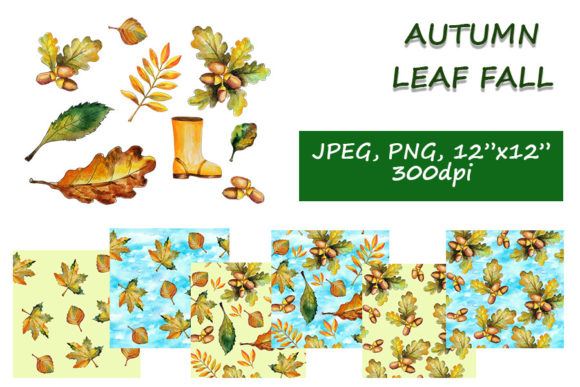
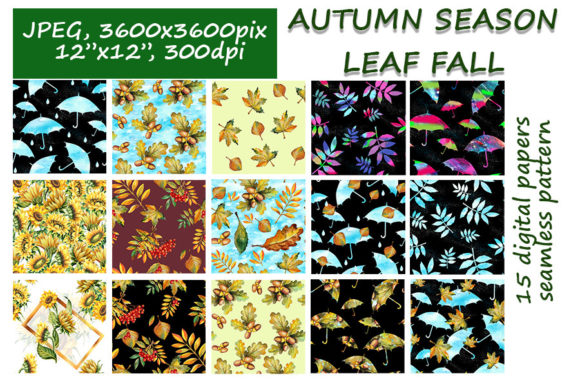
The initial visual impact of Autumn Leaf Fall Patterns Digital Papers is striking. Unlike standard leaf outlines that rely heavily on simple running stitch borders, these designs evoke the feeling of layered scrapbooking or delicate paper crafts. The mood is nostalgic and warm, perfectly capturing the essence of the season without relying on cliché orange and brown palettes alone. The layout suggests a high level of detail, with overlapping elements that create depth. For an embroidery designer, this signals a need for careful thread management. The visual personality here is sophisticated; it feels less like a child's craft and more like boutique home decor. This distinction is crucial because it dictates where the design belongs. It naturally fits projects where texture and nuance are appreciated, rather than items meant for rough, high-abrasion use.
Real-World Application: The Tote Bag Scenario
To truly evaluate these patterns, I imagined a specific client request: a custom tote bag design for a local farmer's market vendor. The client wanted something that screamed "harvest" but looked modern enough to be used year-round. Autumn Leaf Fall Patterns Digital Papers seemed like the perfect candidate. Visualizing the finished product, I pictured the design centered on a heavy canvas tote. The complexity of the pattern would shine against the coarse fabric texture of the canvas, providing a nice contrast between the smooth threads and the rugged material.
However, this is where practical judgment kicks in. If I were stitching this for a paying customer, I would likely simplify the color palette. While the digital preview might show ten shades of amber and rust, using that many thread colors on a tote bag increases production time and the risk of thread breaks. I would select three to four high-contrast colors to maintain the shape integrity. The result would be a small shop product that looks premium and justifies a higher price point. Customers are drawn to items that look difficult to make; the layered appearance of these patterns suggests hours of labor, even if optimized correctly.
Versatility Across Apparel and Home Goods
Beyond tote bags, the versatility of this collection extends to various custom apparel and home goods. Imagine a cozy sweatshirt embroidery project for a fall festival. Placed on the upper left chest or as a larger back graphic, these patterns add a touch of elegance to casual wear. The key here is scale. On a thick fleece, the details of Autumn Leaf Fall Patterns Digital Papers need enough room to breathe. Cramping a complex pattern into a small space on a stretchy fabric is a recipe for distortion.
For home decor, these designs excel on pillow covers and tea towels. A set of kitchen towels featuring these leaf patterns makes for an excellent holiday embroidery gift. Because towels are frequently washed, the stitch quality becomes paramount. If the design relies too heavily on dense fill stitch areas without proper underlay, the fabric could pucker after the first wash. Conversely, if utilized as an applique design where the pattern is cut from fabric and stitched down, it could offer incredible durability and a unique tactile feel that customers love.
Technical Considerations and Potential Pitfalls
While the aesthetic appeal is high, there are technical hurdles to consider before loading this machine embroidery design onto your hoop. The primary concern is stitch density. Designs that mimic paper cuts often have very tight spacing between elements. On dark fabrics, this can lead to "grin-through," where the background fabric shows between stitches, ruining the solid look. Always test the design on scrap fabric similar to your final material. If you are working with thin or stretchy fabrics, a robust stabilizer is non-negotiable. Without it, the intricate corners of the leaves may pull and distort.
Curved surfaces present another challenge. Attempting to stitch these detailed patterns on a cap or hat requires extreme caution. The curvature of the front panel can compress the design, causing overlapping elements to merge into a solid blob of thread. For caps, I would recommend selecting the simplest version of the pattern or scaling it down significantly to avoid crowding. Similarly, tiny lettering integrated into such busy patterns should be avoided unless you are using a high-end machine capable of microscopic precision.
Enhancing Brand Value and Customer Trust
For Etsy sellers and creative entrepreneurs, the choice of design assets directly influences brand perception. Using Autumn Leaf Fall Patterns Digital Papers signals attention to detail. When a customer receives a personalized gift featuring a complex, well-executed design, it builds trust. They perceive the maker as skilled and the product as valuable. This is essential for commercial embroidery where margins depend on perceived value. A generic leaf outline sells for five dollars; a nuanced, multi-layered autumn pattern can command fifteen or twenty, provided the execution is flawless.
Furthermore, these designs work beautifully for printable mockup creation. Before even stitching a single thread, you can place these digital files onto product photos to gauge market interest. This allows craft business owners to validate ideas quickly. If the mockup generates engagement, you know the design resonates. It bridges the gap between digital planning and physical creation, streamlining the workflow for busy makers.
Final Designer Notes and Best Practices
Before committing to a full production run with Autumn Leaf Fall Patterns Digital Papers, adhere to a few golden rules. First, always check the licensing terms. Just because a file is purchased does not automatically grant rights for unlimited commercial embroidery sales or redistribution as a design asset. Confirm whether you are selling the physical item or the digital file itself. Second, review the hoop size requirements. These patterns may require larger hoops to maintain their aspect ratio without losing detail. Third, consider testing the design in black and white. If the design loses its definition without color, it relies too much on hue rather than form, which can be risky for monochromatic requests.
In conclusion, Autumn Leaf Fall Patterns Digital Papers offers a rich, textured aesthetic that elevates standard seasonal offerings. It is best suited for stable fabrics, medium-to-large applications, and projects where visual depth is a priority. With the right preparation regarding stabilizers, thread choices, and fabric selection, this collection can be a standout addition to your autumn lineup, helping you create finished products that customers will cherish long after the leaves have fallen.