Magical Collection Backgrounds: A Designer's Review
As a graphic designer who spends most of my week juggling brand identities for boutique clients and creating marketing visuals for small business owners, I am always on the hunt for graphic design assets that offer more than just aesthetic appeal. They need to be functional, versatile, and capable of elevating a project from "good" to "unforgettable." Recently, I had the opportunity to review the Magical Collection, specifically focusing on its suite of Backgrounds, to see if it could support a real-world client project I am currently developing.
The client in question is a handmade jewelry brand launching a limited-edition holiday line. Their vibe is ethereal, whimsical, and slightly mysterious—perfect for testing the limits of a collection named "Magical." My first impression upon opening the files was immediate relief. In a market saturated with generic patterns, this design bundle feels curated with intention. The visual mood strikes a balance between dreamy abstraction and structured texture. It doesn't scream for attention; instead, it provides a lush, atmospheric foundation that allows product photography and typography to shine.
Setting the Mood for Ethereal Branding
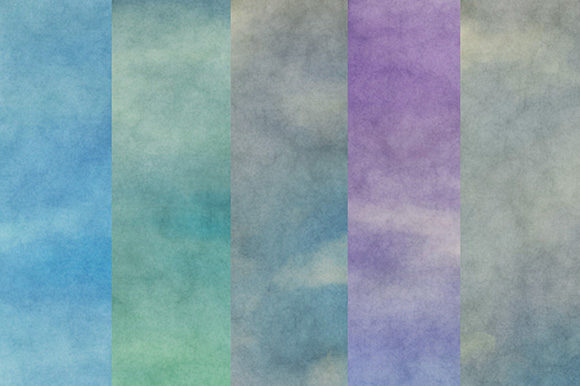
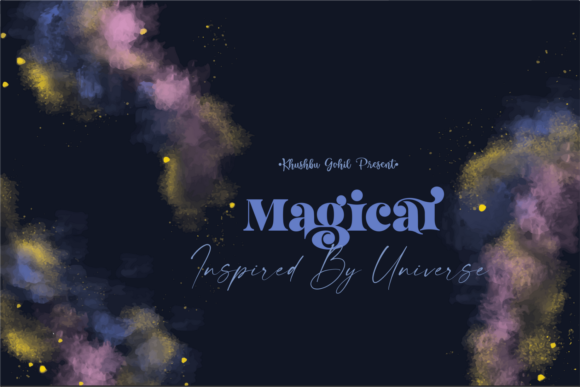
The core strength of the Magical Collection lies in its ability to establish an emotional connection instantly. For my jewelry client, we needed packaging design that felt like opening a treasure chest from a fantasy realm. The backgrounds here utilize soft gradients, subtle grain, and organic shapes that mimic light refraction or stardust. This style represents a modern take on mysticism, moving away from the cliché stars-and-moons clipart often found in lower-quality digital products.
When integrating these Backgrounds into a brand identity system, they work exceptionally well as hero graphics on landing pages or as the primary visual driver for social media campaigns. I tested several variations for Instagram posts and Pinterest pins, and the depth they add is significant. Unlike flat colors which can feel sterile, these textures invite the viewer to linger, increasing audience engagement and time-on-page for web design projects.
Versatility Across Print and Digital Media
In terms of practical application, the Magical Collection proved surprisingly robust across different mediums. For printable design tasks, such as thank-you cards included in shipment boxes, the resolution held up beautifully. I also explored its potential for sublimation design on tote bags and mugs, imagining how the softer tones would translate onto fabric. The color palette is sophisticated enough that it doesn't require heavy manipulation to fit a specific brand guide, saving valuable production time.
For those utilizing cutting machines, these assets serve as excellent bases for Cricut projects or sticker design. While the collection is primarily raster-based, the clarity of the elements allows for clean tracing if vectorization is required for large-format signage. I could easily envision these being used as decorative accents on product labels, adding a layer of perceived value that justifies a higher price point for Etsy product listings.
However, versatility does not mean universal applicability. There are specific scenarios where a designer must exercise caution. The intricate details and atmospheric nature of the Magical Collection can become muddy if scaled down too aggressively. Using these Backgrounds in very small sizes, such as favicon icons or tiny footer patterns, risks losing the nuance that makes them special. Furthermore, they are not suitable for projects requiring strict minimalist branding or high-contrast corporate materials where visual hierarchy must be rigid and unadorned.
Navigating Readability and Visual Hierarchy
One of the most critical aspects of using textured backgrounds is maintaining readability. When I placed bold sans-serif typography over the busier sections of the Magical Collection, I noticed a slight competition for attention. To counteract this, I employed semi-transparent overlay boxes, a standard technique in editorial design and web design. This ensured that the text remained legible while the magical atmosphere of the background still permeated the layout.
For logo design, I would advise against using the full background texture directly behind a logomark unless the logo is monochromatic and heavily weighted. Instead, these assets function better as supporting brand elements—think letterhead borders, social media story frames, or packaging liners. They enhance the overall impression of professionalism without undermining the clarity of the primary brand mark.
Practical Designer Notes for Commercial Use
Before committing any asset to a paid client project, rigorous testing is non-negotiable. Here is my checklist for evaluating the Magical Collection for commercial viability:
- Contrast Testing: Always preview the designs in black and white first. This reveals whether the tonal range is sufficient to stand alone without relying on color psychology.
- Scale Verification: Check the files at 100% zoom and then scale them down to mobile screen sizes. Ensure no pixelation occurs if the file is a PNG, or verify the editability if it is an SVG.
- Mockup Integration: Place the textures on real product mockups immediately. A pattern might look great on a flat screen but disappear when wrapped around a cylindrical mug or folded on a box.
- Typography Pairing: Experiment with pairing these backgrounds against serif fonts for a classic look, script fonts for elegance, or display fonts for a bold statement. The organic nature of the collection pairs particularly well with handwritten styles.
- Licensing Confirmation: As with any commercial design asset, always review the license agreement. Confirm that the commercial license covers your specific use case, whether it's for print-on-demand items, digital templates, or physical merchandise.
The Magical Collection stands out as a thoughtful addition to a designer's toolkit. It bridges the gap between artistic expression and commercial utility. For small business branding efforts that rely on storytelling and emotional resonance, these Backgrounds provide a ready-made narrative canvas. They allow creators to focus less on building textures from scratch and more on crafting the message.
Ultimately, the decision to use this creative marketplace find comes down to the project's soul. If the goal is to create something that feels handcrafted, enchanting, and deeply immersive, the Magical Collection delivers. It transforms standard marketing visuals into experiences, proving that the right background can be the difference between a customer scrolling past and a customer stopping to buy.